
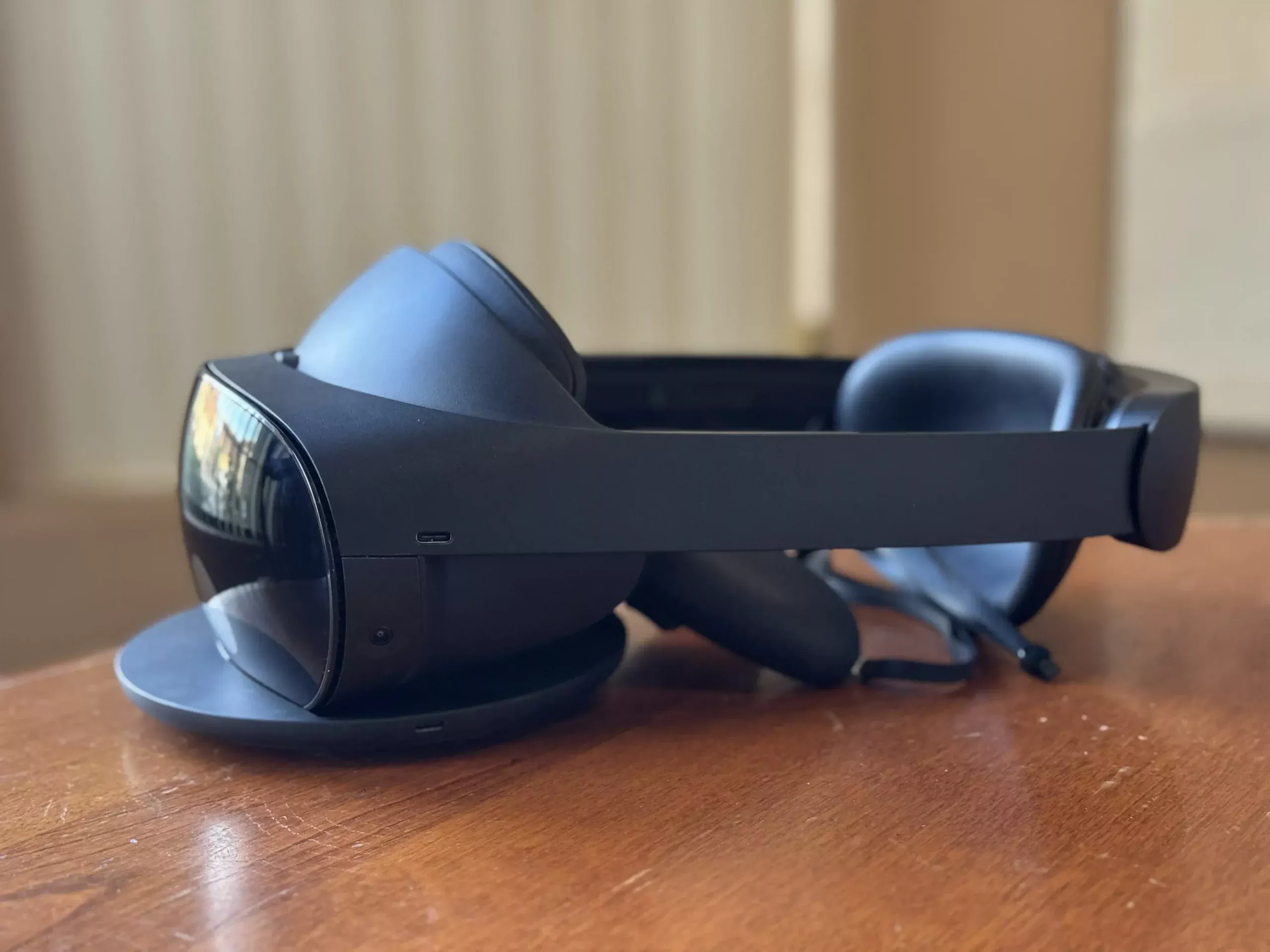
Foveated streaming feels like one of those rare VR breakthroughs that quietly changes everything. By prioritizing visual fidelity where your eyes are actually looking and reducing detail in the periphery, it delivers higher perceived quality with far less bandwidth and compute cost. You can already try this today through Steam with the Quest Pro, and the results hint at a future where wireless VR no longer feels like a compromise.
What makes this moment especially interesting is Valve’s Steam Frame promise: console-like simplicity and stability for VR streaming. If it delivers, we’re talking about a setup that “just works,” without endless tweaking, dropped frames, or mysterious network hiccups. That kind of reliability is exactly what PC VR needs to move from enthusiast tinkering to something you can confidently set up in minutes.
The big open question is scale. How well can multiple Steam Frames operate in the same room without interference? If that challenge is solved, foveated streaming could become the best way to create high-fidelity shared-space VR experiences—multiple people, in the same physical room, each seeing each other in the same virtual world. If it works as hoped, this might be the foundation for the next generation of social and location-based VR.